



Cross‑border e‑commerce lives and dies on your shipping costs and delivery experience. The packaging format you choose – a mailer or a box – can easily swing your per‑order profit by 10–30% once you factor in materials, labor, and international freight. Getting this decision right is one of the fastest ways to improve margins without raising prices.
This guide walks you through a practical, numbers‑driven comparison of mailer vs. box formats, with a specific focus on cost‑effectiveness for international shipping. You will see when a slim mailer is your best friend, when a rigid box is non‑negotiable, and how to make a hybrid strategy that works across your product catalog.
Along the way, you will find actionable criteria, decision checklists, and examples you can apply directly to your packaging sourcing – and how a custom manufacturer like Epack can help you optimize both formats for cost and brand impact.

What Do “Mailer” and “Box” Really Mean in Cross‑Border E‑commerce?
Defining mailers for international shipping
Mailers in e‑commerce typically include poly mailers, paper mailers, and padded/bubble mailers. They are light, flexible envelopes that wrap closely around the product, often with a self‑seal strip for quick fulfillment.[1][5] Mailers are widely used for apparel, soft goods, and boxed items that already have internal protection.
Key characteristics of mailers for cross‑border shipments include:
- Low material usage – far less paper or board than a full shipping box.[5]
- Very low weight – a bubble poly mailer can weigh around 1 oz (≈28 g) empty, which is significantly lighter than a corrugated carton.[1]
- Fast packing – fill, peel, seal; no taping or complex assembly.[1][5]
Defining boxes for international shipping
Shipping boxes generally refer to corrugated cartons, while mailer boxes are self‑locking, often printed corrugated or cardboard boxes designed for direct‑to‑consumer shipping and unboxing.[2][4]
Boxes for cross‑border e‑commerce typically provide:
- High structural strength for stacking and long-distance handling.[1][2]
- Better protection for fragile, heavy, or high‑value products.[1][2]
- Premium branding area on lid, sides, and interior panels for graphics and messaging.[2]
Key Takeaway: Think of mailers as “minimalist, light, and fast” and boxes as “rigid, protective, and presentation‑driven.” Both can be custom‑printed and both can be optimized for sustainability and cost.
Cost Drivers: Why Format Choice Matters More for Cross‑Border
1. Shipping tariffs and dimensional weight
International carriers increasingly use dimensional weight (DIM) pricing, where cost is based on volume as well as actual weight. Lighter, flatter mailers reduce unused air and can significantly cut DIM charges.[3][5]
Mailers also qualify for certain flat‑rate postal tiers with carriers like USPS, FedEx, and UPS, which can be advantageous for uniform cross‑border shipments.[5] Boxes, with more volume and dead space, often fall into higher DIM brackets for the same product.
2. Packaging unit cost and material usage
On a per‑unit basis, mailers usually have lower material and production cost than shipping boxes because they use less paper or board and less glue.[2][4][5] For high‑volume, low‑margin international orders, this difference accumulates quickly.
One analysis found that boxes can require vastly more resources than flexible mailers, resulting in a much higher environmental and energy footprint.[3] This translates into both higher material cost and higher sustainability impact per shipment.
3. Labor, fulfillment speed, and storage
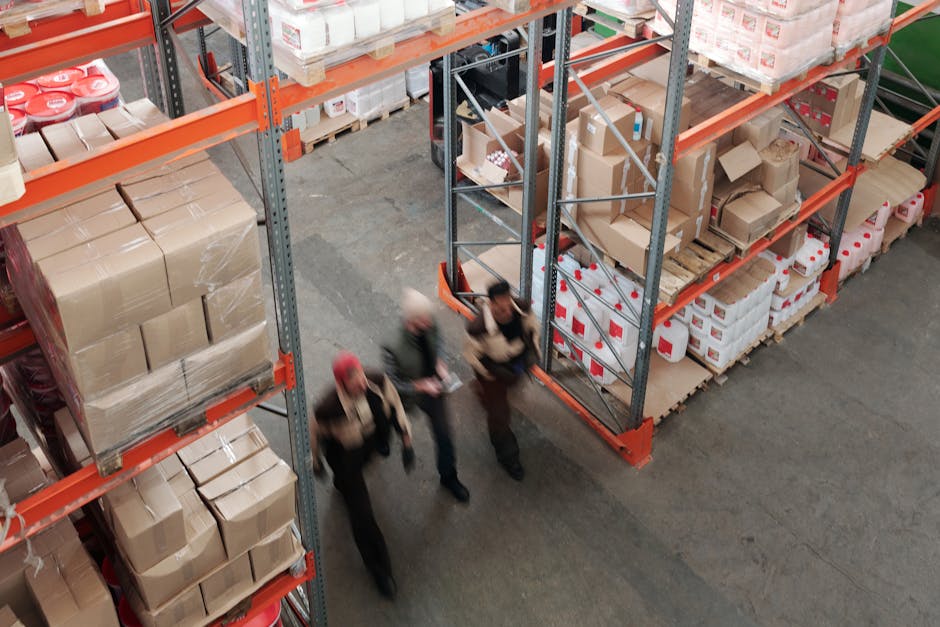
Mailers are designed for fast fulfillment – open, insert product, seal.[1][5] Corrugated boxes often require erecting, taping, and additional void fill, which slows packing and increases labor cost per order, especially in manual packing environments.
Because they are flat and compact, mailers save warehouse space and reduce inbound freight on packaging itself.[1][5] Boxes consume more storage volume and are more expensive to move and handle in bulk.
Key Takeaway: For cross‑border shipping, the biggest cost differences come from DIM weight, unit material cost, and labor. Mailers win on all three when products don’t need heavy protection.
Protection, Risk, and When a Box Becomes Non‑Negotiable
Product fragility and shape
Cross‑border parcels face multiple handovers, long transit times, and more stacking pressure. While mailers can handle soft and pre‑boxed goods, fragile, heavy, or easily deformed items are safer in rigid boxes with internal protection.[1][2]
Examples where boxes are strongly recommended include:
- Glassware, ceramics, and electronics needing impact and crush protection.[1]
- Hats, premium accessories, or collectibles that must keep shape.[1]
- Multiple items shipped together that need internal partitioning or custom inserts.[1][2]
Risk of damage vs. replacement cost
While mailers are adequate for many products, they are more easily punctured or crushed than corrugated boxes.[1][2][7] For low‑value, durable goods, a small damage rate may be acceptable. For high‑value products, the cost of replacements and refunds quickly outweighs any packaging savings.
Boxes deliver stronger protection and better stacking strength, which can reduce damage rates and claims, particularly over long cross‑border routes.[1][2] For some brands, this reliability is as important as direct material savings.
Key Takeaway: If the cost of one damaged shipment is higher than the savings from using a mailer instead of a box, choose the box – especially for fragile or premium items crossing borders.
Environmental and Brand Impact: Mailer vs. Box
Sustainability considerations
From a resource perspective, mailers use less material and glue than boxes, which typically means a smaller carbon footprint and less waste per package.[3][5] Some analyses show boxes using vastly more energy and emitting far more CO₂ than comparable mailers because of their heavier structure.[3]
Eco‑conscious consumers increasingly expect right‑sized, low‑waste packaging; shipping small items in oversized boxes with lots of void fill is seen as wasteful.[5] Properly sized paper mailers or lightweight mailer boxes align better with sustainability expectations for many product categories.
Branding and unboxing experience
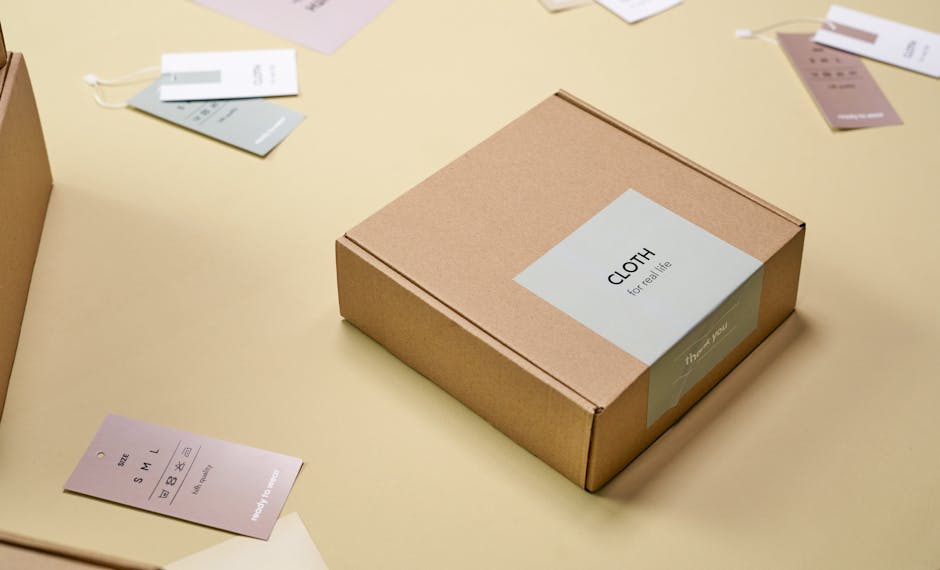
Mailer boxes and shipping boxes offer a large print surface for full‑color artwork, storytelling, and internal printing that supports a premium unboxing experience – particularly valuable for DTC brands and subscription services.[2][4]
However, modern paper and poly mailers can also be highly brandable with logos, artwork, and messaging.[1][5][7] For cross‑border shipments where cost is tight, a well‑designed custom mailer can balance cost savings with brand presence.

Key Takeaway: Mailers usually win on sustainability and efficiency, while boxes win on immersive unboxing. You can still tell a strong brand story on a mailer – especially with high‑quality printing and thoughtful design.
Cost‑Effectiveness Comparison: Mailer vs. Box
Direct comparison table
| Factor | Mailers (Poly/Paper/Padded) | Boxes (Shipping & Mailer Boxes) |
|---|---|---|
| Unit packaging cost | Generally lower unit cost, less material and glue.[2][4][5] | Generally higher due to more board and complex die‑cuts.[2][4] |
| Shipping cost (weight & DIM) | Very favorable – light, compact, efficient under DIM.[1][3][5] | Higher actual and dimensional weight, more dead space.[1][3] |
| Protection & damage risk | Suitable for soft / pre‑boxed items, less protective for fragile goods.[1][2][7] | High protection for fragile, heavy, or multi‑item orders.[1][2] |
| Fulfillment speed & labor | Very fast to pack; no taping; lower labor cost.[1][5] | Slower; erecting, taping, void fill increase handling time. |
| Warehouse & inbound space | Flat and compact; minimal storage space.[1][5] | Bulkier; higher storage and inbound shipping footprint. |
| Branding & unboxing | Good external branding; limited structure for complex unboxing.[2][5] | Excellent for premium unboxing, interior print, inserts.[2][4] |
| Sustainability | Uses less material; often more resource‑efficient overall.[3][5] | Heavier material usage; larger carbon impact if not optimized.[3] |
How to Choose: A Practical Decision Framework
Key questions for cross‑border shipments
Use the following questions to decide between mailers and boxes for each SKU or shipment type:
- What is the product’s fragility and value? The more fragile or expensive it is, the more a box with internal protection makes sense.
- What is the product’s size and shape? Flat, flexible, or pre‑boxed items are ideal for mailers. Bulky or irregularly shaped items may justify a box.
- How sensitive is the order to shipping cost? For low‑margin items or price‑sensitive markets, mailers often deliver better landed cost per unit.
- What is the expected damage tolerance? Can your margin absorb a small damage rate, or do you need near‑zero damage?
- How important is unboxing to your brand? Subscription boxes and gifting products often justify a box even when a mailer would be cheaper.
Hybrid strategies that maximize cost‑effectiveness
Many cross‑border brands get the best results by usin



Permalink