“`html
Top 4 Packaging Industry Trends Shaping 2025 and Beyond for Global Brands
Sustainable packaging is no longer a niche choice—it’s a global imperative driving brand loyalty and regulatory compliance in 2025. With packaging demand projected to nearly double by 2050 amid population growth and e-commerce surges, global brands must adapt to trends emphasizing paperization, smart technologies, premium personalization, and circular systems.[4] This article explores the top four trends, offering actionable insights to help you position your brand as a leader in innovation and sustainability.
From EU regulations mandating digital product passports to consumer demands for transparency, these shifts redefine how products reach consumers. Understanding them ensures your packaging enhances customer experience while meeting economic and environmental goals.[3]
Trend 1: Paperization and the Shift to Fiber-Based Solutions
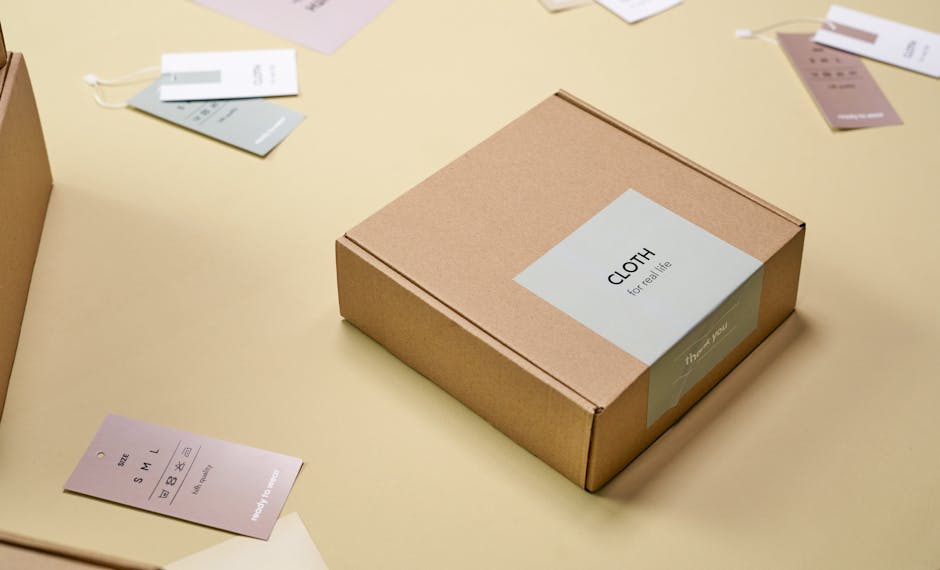
The paperization movement accelerates as brands replace plastics with renewable fiber materials, driven by regulations like the EU’s Packaging and Packaging Waste Regulation (PPWR).[3] This trend reflects consumer preferences for recyclable options, with paper-based packaging now dominating e-commerce at 83% market share by 2029 due to its versatility and branding potential.[4]
Technological advancements enable paper substitutes that maintain functionality without compromising strength or shelf life. Global commitments to reduce virgin plastics further fuel this transition, positioning fiber-based solutions as the future baseline.[3]
- Recyclability boost: Corrugated cases lead e-commerce, offering ample space for branding while achieving high recycle rates.[4]
- Regulatory alignment: PPWR and UN Global Plastic Treaty mandate waste reduction, favoring monomaterials over multilayer plastics.[3]
- Consumer appeal: Environmentally conscious shoppers prioritize paper for its low-carbon footprint and renewability.[1][8]
Key Takeaway: Paperization isn’t just material substitution—it’s a strategic move to comply with laws, cut costs, and win eco-aware customers.
Trend 2: Connected Packaging with Smart Tech Integration
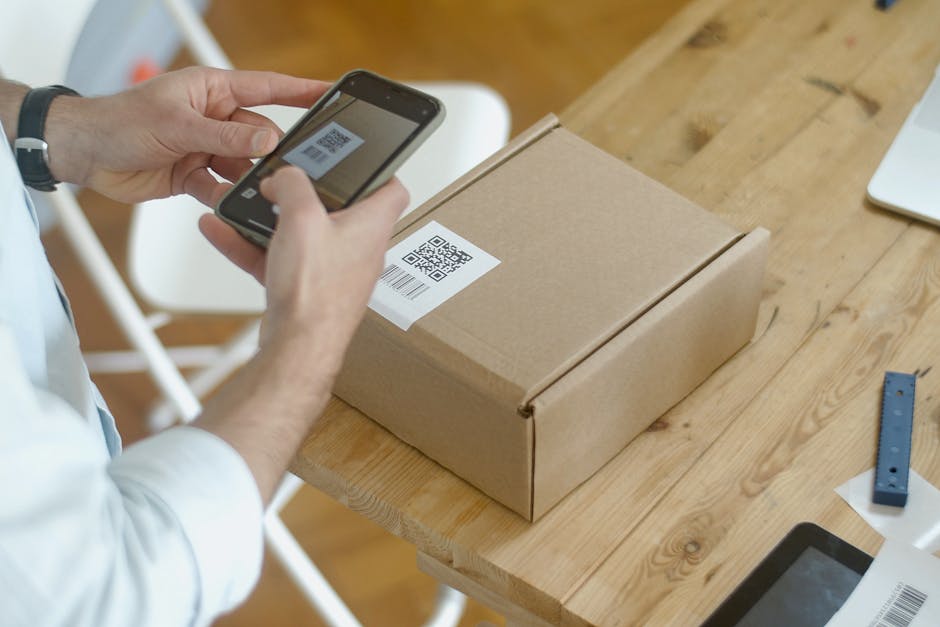
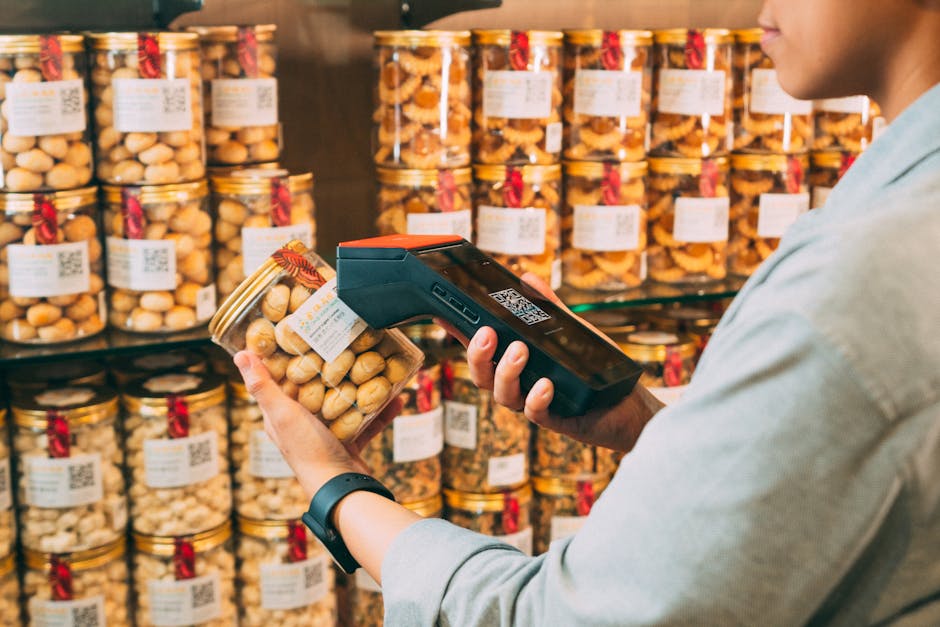
Smart labels featuring RFID, NFC, and QR codes are transforming supply chains and consumer engagement in 2025.[1] These technologies enable real-time tracking, augmented reality tutorials, and loyalty programs, while EU-mandated digital product passports provide full lifecycle transparency.[3]
AI-driven sorting systems now process 5 tons of mixed plastics per hour at nearly 100% purity, enhancing recycling efficiency.[3] For global brands, connected packaging bridges digital-physical worlds, fostering trust through verifiable sustainability claims.
| Technology | Benefit | Industry Application |
|---|---|---|
| RFID/NFC Tags | Supply chain visibility | Logistics, healthcare[1] |
| QR Codes/AR | Interactive experiences | Retail, loyalty programs[1] |
| Digital Product Passport | Transparency compliance | EU FMCG markets[3] |
Trend 3: Premium and Personalized Designs for Brand Differentiation
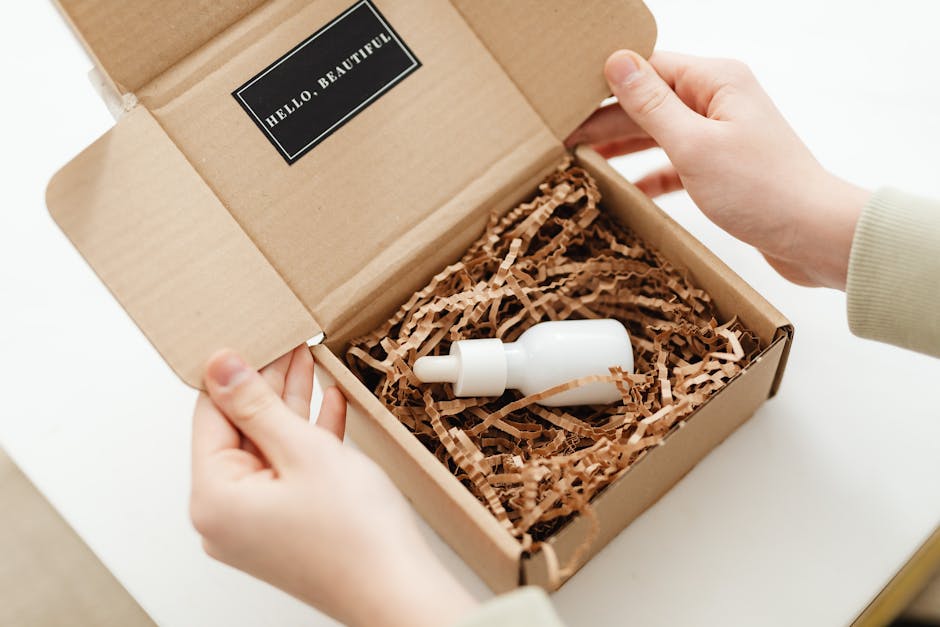
Premium finishes like embossing, hot foil stamping, and textured laminates elevate shelf presence, blending luxury with functionality.[1] As CPG brands pivot to packaging innovations amid declining product launches, personalization creates unique customer experiences in beauty and e-commerce.[2]
Bold colors, metallics, and minimalist layouts stand out in crowded markets, while startups leverage AI for disruptive custom solutions.[2][6] These designs not only boost perceived value but also align with sustainability by using eco-materials.
- Tactile enhancements: Soft-touch and raised UV for luxurious unboxing.[1]
- Visual impact: Holographic foils and strategic negative space for modern appeal.[1]
- Personalization edge: Tailored prints meet rising demands for premium, functional packaging.[2]
Key Takeaway: Premium personalization turns packaging into a brand storyteller, driving loyalty in competitive global markets.
Trend 4: Rise of Reusables and Circular Economy Models
Reusable and refillable systems gain momentum in food, beverage, and personal care, supported by PPWR mandates for reduced single-use packaging.[3] Trials show high return rates for refill containers, signaling strong consumer acceptance and circular potential.[3]
Bio-based innovations like sugarcane mailing bags and seaweed alternatives complement reusables, addressing multilayer plastic concerns.[3][8] By 2050, flexible formats will grow fastest, balancing lightweighting with recyclability for e-commerce dominance.[4]
Brands adopting these models enhance sustainability while cutting long-term costs, especially as demographics and regulations evolve.[4]
7 Practical Tips to Implement 2025 Packaging Trends
Transitioning to these trends requires strategic planning. Start with low MOQ custom solutions to test innovations without high risk.
- Audit materials: Replace plastics with fiber-based options compliant with PPWR—opt for recyclable monomaterials.[3]
- Integrate smart tech: Add QR codes for AR engagement and NFC for tracking to boost transparency.[1]
- Enhance designs: Use embossing and foils for premium tactile appeal that aligns with brand identity.[1]
- Pilot reusables: Launch refill programs in high-volume categories like beverages for proven return rates.[3]
- Leverage data: Employ AI sorting simulations to optimize recycling and reduce waste.[3]
- Personalize strategically: Offer custom prints for e-commerce to differentiate in a saturated market.[2]
- Partner expertise: Collaborate with manufacturers skilled in offset printing, die-cutting, and eco-materials for seamless execution.
Quick Reference: Trend Impact Summary
- Paperization: 83% e-commerce dominance by 2029[4]
- Connected Tech: 100% purity AI sorting[3]
- Premium Design: Tactile finishes for loyalty[1]
- Reusables: High consumer return rates[3]
Final Thoughts
These top four trends—paperization, connected packaging, premium personalization, and reusables—equip global brands to thrive amid regulatory pressures and consumer shifts. By prioritizing sustainability and innovation, you future-proof operations and elevate brand value.[1][3]
How will your packaging strategy evolve in 2025? Embracing these trends today positions you as a forward-thinking leader ready for tomorrow’s demands.
“`