“`html
Sustainable Materials Revolution: Bio-Based Plastics and Recyclables for Epack Clients
The sustainable materials revolution is transforming packaging, with bio-based plastics emerging as a game-changer for e-commerce brands and retailers seeking to reduce environmental impact without sacrificing performance. Fossil-derived polymers still dominate, but 2025 marks rapid growth in alternatives from renewable sources like sugarcane and corn starch.[1] For Epack clients, adopting these materials means aligning with consumer demands for eco-friendly packaging while enhancing brand loyalty.
This shift matters because bio-based plastics can cut global GHG emissions from packaging by 200 million tonnes CO₂e annually if 25% of fossil plastics are replaced.[1] You’ll discover how these innovations deliver barrier properties rivaling traditional plastics, support recyclability, and integrate seamlessly into custom designs. Epack’s expertise in eco-friendly materials positions your brand at the forefront of this revolution.

What Are Bio-Based Plastics?
Bio-based plastics derive from renewable biomass like sugarcane, cassava, corn starch, or even seaweed, chemically similar to conventional plastics but with lower fossil carbon dependency.[1] Key types include bio-PET, PLA (polylactic acid), sugarcane-based PE, and PHA (polyhydroxyalkanoates). These materials mature in 2025, shifting from hype to verified bio-circularity via life-cycle assessments (LCA).[1]
Production capacity for bio-based plastics is set to double from 2.31 million tonnes in 2025 to 4.69 million tonnes by 2030, led by packaging applications.[5] Non-biodegradable bio-based plastics like polyamides already hold 58% market share, with bio-polypropylene surging 27-fold by 2030.[5] Brazil, Thailand, and India scale facilities for cost-competitive supply.
Key Takeaway: Bio-based plastics reduce cradle-to-gate emissions while maintaining performance, enabling Epack clients to meet U.S. Plastics Pact targets for 30% recycled or bio-based content by 2025.[6]
Breakthrough Innovations in Bio-Based Materials
Spray-Coated Bioplastics for Stronger Paper Packaging
Virginia Tech researchers developed a spray-coating technique blending PLA and PHA bioplastics to create durable paper coatings, doubling tensile strength and slashing oxygen transmission rates.[2] This scalable process integrates into existing production, improving water resistance and compostability without petroleum plastics.
A 50/50 PLA-PHA blend seals paper pores while penetrating fibers for internal reinforcement, ideal for food packaging.[2] Future water-based versions promise even safer scalability, attracting global chemical firms for commercialization.
Plant-Based Films Matching PET Performance
Georgia Tech’s bio-based films from plant ingredients block moisture and oxygen at 80% humidity, rivaling PET and EVOH plastics.[3] These mechanically robust barriers protect food, pharmaceuticals, and electronics, degrading naturally without centuries-long pollution.
Composed of abundant, biodegradable components, the films exceed conventional plastics in freshness preservation.[3] For Epack clients, this means custom boxes with superior shelf-life and sustainability credentials.

Award-Winning PHA and Seaweed Innovations
CJ Biomaterials’ PHACT A1000P, winner of the 2025 Innovation in Bioplastics Award, is 100% bio-based PHA copolymer—industrially compostable, home compostable, and biodegradable in marine/soil environments.[4] It unlocks new packaging applications previously limited by material constraints.
Honorable mentions include Sway’s TPSea Flex seaweed film for high-volume extrusion and Syensqo’s partially bio-based Amodel BIOS PPA for demanding sectors.[4] These advancements drive scalable, sustainable solutions for Epack’s custom printing and die-cutting services.
Key Takeaway: Innovations like PHACT A1000P and spray-coated blends prove bio-based materials deliver performance parity with plastics, plus full biodegradability across environments.[4][2]
Recyclables and Bio-Circular Integration
Bio-based plastics complement recyclables by enabling hybrid systems where 100% of packaging becomes reusable, recyclable, or compostable per U.S. Plastics Pact 2025 goals.[6] Materials like bio-PET recycle alongside virgin PET, boosting circularity without contamination.
Earth5R highlights bio-circularity via LCA-verified options like mycelium composites alongside PLA, reducing virgin material use by up to 70% in reuse models.[1] Epack’s low-MOQ flexibility lets you test these in custom paper bags and boxes.
Market Growth and Industry Targets
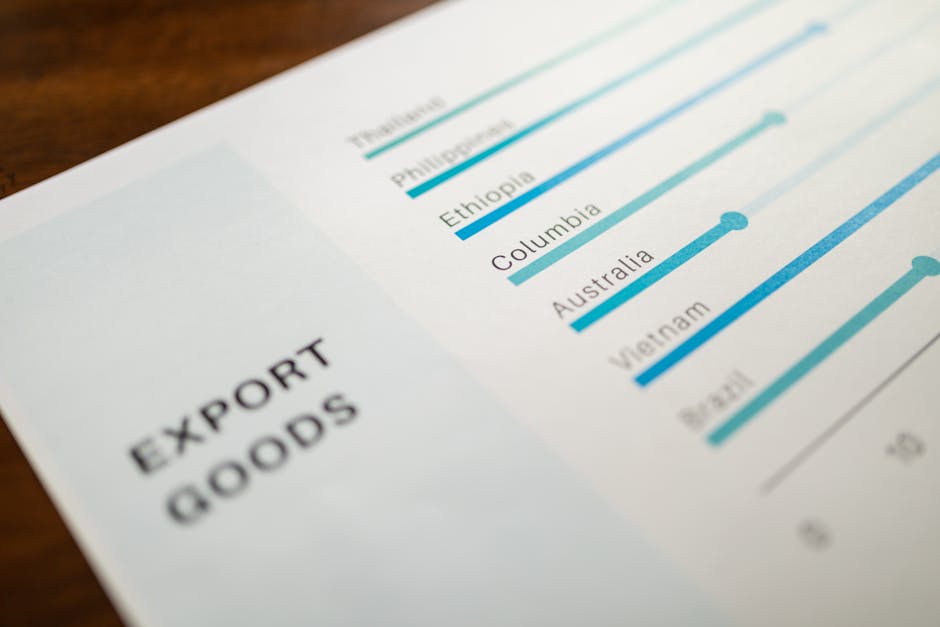
Global bio-plastics utilization hit 72% capacity in 2025, producing 1.67 million tonnes amid rising demand.[5] Packaging leads, supporting Europe’s bioeconomy and regulations like 30% bio-based content mandates.[5][6]
Projections show PHA capacity growing sevenfold to 16.8% by 2030, with consumer focus accelerating adoption.[5] For retailers and e-commerce, this means cost-competitive, brand-enhancing options via offset printing and foil stamping on bio-materials.
Practical Tips: Implementing for Your Brand
Transitioning to bio-based plastics requires strategic choices. Epack’s design services ensure seamless integration with embossing, foil stamping, and sustainable stocks. Here are actionable steps:
- Assess Needs: Evaluate barrier requirements for your products—PLA for dry goods, PHA blends for perishables.[2][1]
- Select Certifications: Prioritize LCA-verified, compostable options like PHACT A1000P for compliance.[4][6]
- Test Hybrids: Combine spray-coated paper with bio-films for recyclable custom boxes.[2][3]
- Scale with Low MOQ: Start small to validate performance in real supply chains.
- Enhance Branding: Use eco-materials for premium finishes that tell your sustainability story.
- Monitor Metrics: Track GHG reductions aiming for 25% bio-switch impact.[1]
- Partner Expertise: Leverage manufacturers like Epack for end-to-end innovation.
| Material | Source | Key Benefit | Best For |
|---|---|---|---|
| Bio-PET / PLA | Sugarcane, Corn | Recyclable, Low Emissions | Bottles, Boxes[1] |
| PLA-PHA Spray Coat | Biomass Blend | 2x Strength, Compostable | Paper Packaging[2] |
| Plant-Based Film | Plant Extracts | Low O2/Water Permeability | Food Barriers[3] |
| PHACT A1000P | Bio-Fermentation | Marine Biodegradable | Flexible Packs[4] |
Key Takeaway: Start with hybrid recyclables to hit 2025 targets—bio-based content not only complies but elevates your brand’s eco-story.[6]
Quick Reference: Top Benefits for Epack Clients
- Performance Parity: Matches PET in barriers, doubles paper strength.[2][3]
- Emission Cuts: 200M tonnes CO₂e savings potential.[1]
- Scalability: Production doubling by 2030, low-MOQ entry.[5]
- Versatility: Compostable, recyclable, flushable options.[4][9]
- Brand Boost: Appeals to eco-conscious consumers, meets pacts.[6]
Embracing the Revolution
Bio-based plastics and recyclables represent more than materials—they’re your pathway to resilient, future-proof packaging. With production surging and innovations like spray-coatings and PHA copolymers ready for scale, Epack clients can lead in sustainability and quality.[1][2][4]
How will you integrate these into your next custom order? The revolution is here—position your brand to thrive in the bio-circular economy.
“`